SkillBridge Liberia | Our Model
Tool-First Operating Model

Operational Excellence Dashboard

We engineer workplace systems that hold under audit pressure, field constraints, and staff turnover. Every engagement is designed around production-grade operational tools, not classroom notes.

"We deliver structured engagements that produce tools built to survive real pressure."

Discipline by design Supervisor-signed outputs +90 day continuity checks
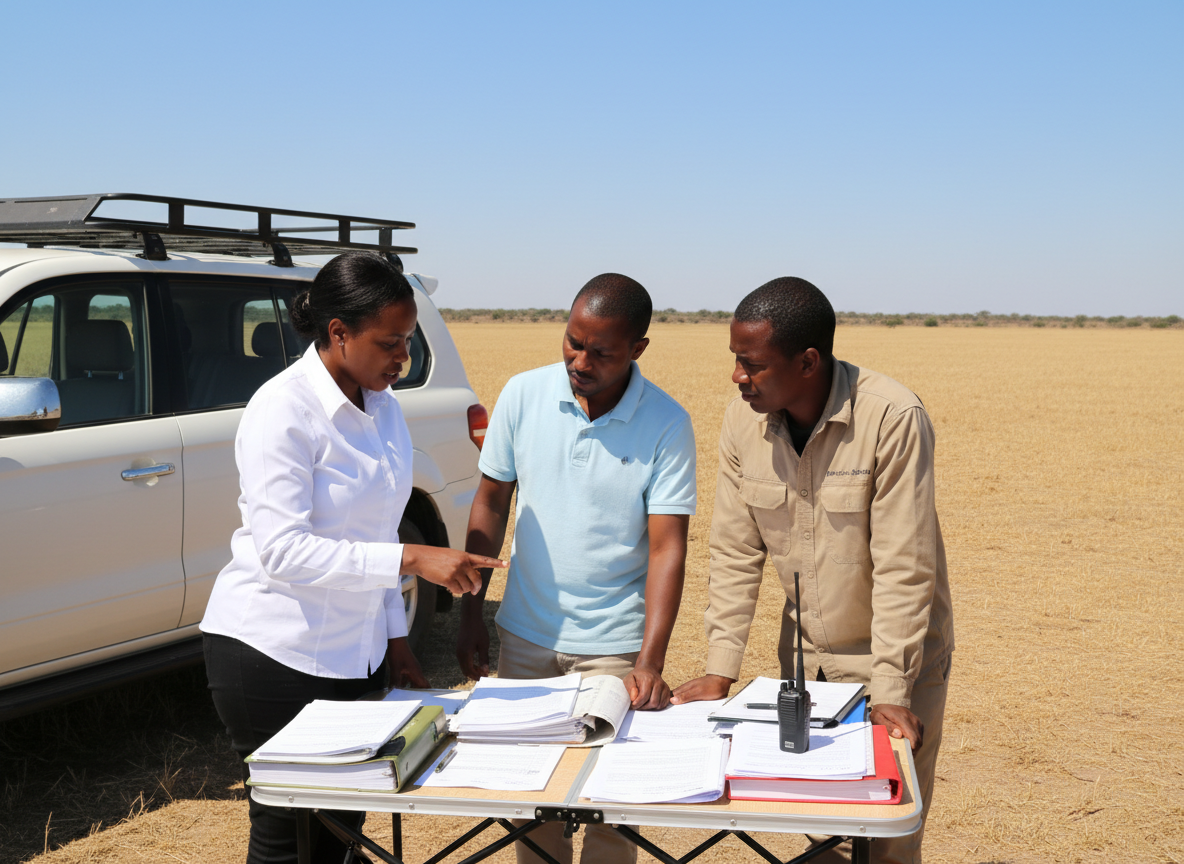
Field procurement meeting in progress
Model Rationale

Why This Model Exists

Institutions are often audited repeatedly for the same operational gaps because tools are not adopted in routine work. This model was designed to close that loop through build, validation, and follow-through under field conditions.

  • Repeat audit findings caused by incomplete or inconsistent records.
  • Tool abandonment after workshops when supervision is weak.
  • Operational disruption from staff turnover and weak handovers.
  • Templates copied from policy manuals but not usable in daily workflow.
  • Field constraints (time, transport, connectivity) ignored in tool design.
  • No structured +30/+90 follow-up to confirm real use continuity.
About SkillBridge Liberia

SkillBridge Liberia is a Liberian-registered operational capacity partner focused on strengthening the systems that keep institutions running.

Across ministries, NGOs, and private operators, the same pattern persists: operational gaps remain unresolved, tools are introduced but abandoned, and audit findings return in repeated cycles. We address this through structured routines, practical tool installation, supervisor validation, and a guarantee-based model linked to verified adoption.

The Operational Problem

System Friction at Institutional Level

Fuel & Asset Leakage

Consumption patterns and usage records often diverge, weakening control over high-cost assets.

Inventory Breakdown

Bin cards, issue logs, and stock movement records are incomplete or inconsistently maintained.

Reporting Delays

Supervisory and donor reporting is slowed by missing source records and poor data handover.

Supervisor Overload

Managers spend working time correcting preventable documentation and workflow errors.

Tool Abandonment

Templates introduced in workshops lose use when routine supervision and follow-up are absent.

Repeated Audit Findings

Institutions face recurring observations because controls are not embedded in daily operations.

Our Response

From Events to Operational Control

This is rarely a competence issue. In most cases, staff know their functions but operate without stable routines, clear validation points, and durable handover discipline.

Our model installs practical tools directly inside existing workflows, aligns supervisors around clear acceptance criteria, and verifies sustained use through structured follow-up at +30 and +90 days.

  • Routine design over one-off instruction.
  • Supervisor validation before full operational rollout.
  • Operational toolkits built for field constraints.
  • Adoption verification tied to evidence, not declarations.
The SBL Sprint

4-Step Operational Sprint

1

Tool Construction

Operational tools are built directly against current process and documentation needs.

2

Supervisor Validation

Each tool is reviewed and approved against practical criteria before routine use.

3

On-Site Application

Teams apply tools in live transactions to stabilize execution under real constraints.

4

+30 / +90 Verification

Continuation checks confirm what remains active and where corrective actions are needed.

Our Values

Operating Principles

Evidence-Based

Performance claims are anchored in traceable records and verification checkpoints.

Practical First

We prioritize usable routines and tools that hold under field and audit pressure.

Liberian-Led

Design and implementation decisions are grounded in Liberian institutional realities.

Equity-Focused

Cohort composition and engagement design are structured to broaden inclusion and continuity.

Transparent

Delivery expectations, adoption thresholds, and commercial terms remain explicit and auditable.

Quality Assurance

Quality Assurance & Governance

Delivery quality is reinforced through accredited African training partners and SBL’s Unified Standards Box, our internal quality rubric for discipline, supervisor coordination, and tool practicality.

Quality Dimension What We Measure
Delivery Discipline Execution against agreed sprint milestones, output completeness, and timeline control.
Supervisor Coordination Validation cadence, sign-off integrity, and clarity of accountability across units.
Tool Practicality Usability under field conditions, completeness of records, and continuity of routine use.
Commercial Model

Structured Commercial Clarity

Traditional Training

  • Attendance-based completion logic.
  • Focus on event delivery rather than system installation.
  • Commercial closure typically occurs at end of workshop delivery.

SBL Operational Model

  • Adoption-based accountability tied to real operational use.
  • Structured installation of tools, validation, and follow-through.
  • Risk-sharing terms linked to verified continuity thresholds.
Execution Cycle

4-Step Operational Cycle

Sequence that mirrors how SBL builds, validates, and audits routine use in real operating environments.

STEP 01

Tool-First Construction

Blueprints become live artifacts: logs, checklists, and trackers built directly against current workflows.

STEP 02

Supervisor Validation

Every output is signed against practical criteria before it enters operational use.

STEP 03

On-Site Accompaniment

Facilitators embed during real transactions to remove friction and stabilize routines.

STEP 04

+90-Day Adoption Audit

Continuity is checked through evidence of active use, not retrospective declarations.

Engagement Outputs

What Each Engagement Produces

Each cycle ends with documented outputs that can be supervised, audited, and maintained after facilitation ends.

Each engagement is structured as a 4–6 week operational sprint with approximately 20 backbone staff, delivered after working hours and on-site to avoid disrupting core operations.

Supervisor-Validated SOPs

Operational procedures finalized with supervisor sign-off and practical acceptance criteria.

Logs & Registers

Ready-to-use tools such as vehicle logs, fuel issuance records, and bin cards for daily control.

Trackers & Dashboards

Simple monitoring sheets and summary dashboards to review completion, quality, and gaps.

Training Handover Pack

User guidance, role allocation, and continuity notes to support staff transitions and onboarding.

+30 / +90 Adoption Checks

Follow-up reports showing what remains in active use, where slippage occurs, and required corrections.

Implementation Support Notes

Documented friction points and applied fixes so the institution can sustain improvements independently.

Risk Sharing

The 70% Adoption Guarantee

If sustained adoption falls below 70%, you do not pay in full. Our commercial model is aligned with your operational continuity, not event attendance.

Client exposure remains tied to verified use, not declared participation.

Adoption Rate70%
Cost to Client100%

At or above 70% verified adoption: full payment applies.

Verification Method

How Adoption Is Verified

Adoption means tools are actively used in routine operations, not only introduced during training. Verification is conducted at +30 and +90 days using evidence from live work.

Verification Steps

  1. Define required tools and expected frequency of use by unit.
  2. Sample recent records at +30 days for completeness and consistency.
  3. Confirm supervisor sign-off and practical use in current workflow.
  4. Conduct spot checks and targeted staff validation in field settings.
  5. Repeat at +90 days and compare continuity against +30 baseline.

Evidence Reviewed

  • Filled logs, registers, and trackers with current-date entries.
  • Supervisor signatures and routine review annotations.
  • Spot-check findings from selected service points.
  • Photo/scan evidence where feasible and permitted.
  • Corrective action notes for identified usage gaps.
Performance Dashboard

Minimum Standards

Operational floor values used to maintain consistency, practical quality, and long-term adoption.

Attendance Threshold

85% Minimum

Participants must attend at least 85% of sessions to maintain completion status within the cohort.

Tool Quality Score

80/100 Clarity + Completeness

Outputs are graded for clarity, completeness, practicality, and consistency.

Sustained Adoption

70% At +90 Days

At least 70% of tools must remain active in routine use after 90 days.

Payment Logic

Commercial Alignment

Comparison below shows how payment logic differs when accountability is linked to verified operational outcomes.

Traditional Training

Attendance-Led Model

  • Commercial focus is typically attendance and workshop completion.
  • Engagement often ends at final session delivery.
  • Operational follow-through is limited or not contractually central.
SBL Engagement

Adoption-Led Model

  • Tools are delivered and supervisor-validated for routine use.
  • Follow-up checks at +30 and +90 confirm continuity.
  • Payment alignment is linked to verified sustained adoption.